Atlanta Fibroid Treatment Specialist

Uterine fibroids affect up to 80% of women during their lifetime and can cause heavy bleeding, pelvic pressure, frequent urination, and pelvic pain. If you are searching for fibroid treatment in Atlanta, non-surgical options are available.

At Georgia Vascular Institute and Georgia Fibroid Treatment Center, Dr. Kevin Carson specializes in Uterine Fibroid Embolization (UFE), an advanced minimally invasive procedure that treats fibroids without hysterectomy or major surgery. Women from across Atlanta and the Southeast seek his expertise to relieve fibroid symptoms, recover quickly, and return to normal life.

Take the first step toward relief. Schedule your FREE virtual consultation today.

Atlanta Fibroid Treatment: Uterine Fibroid Embolization (UFE)

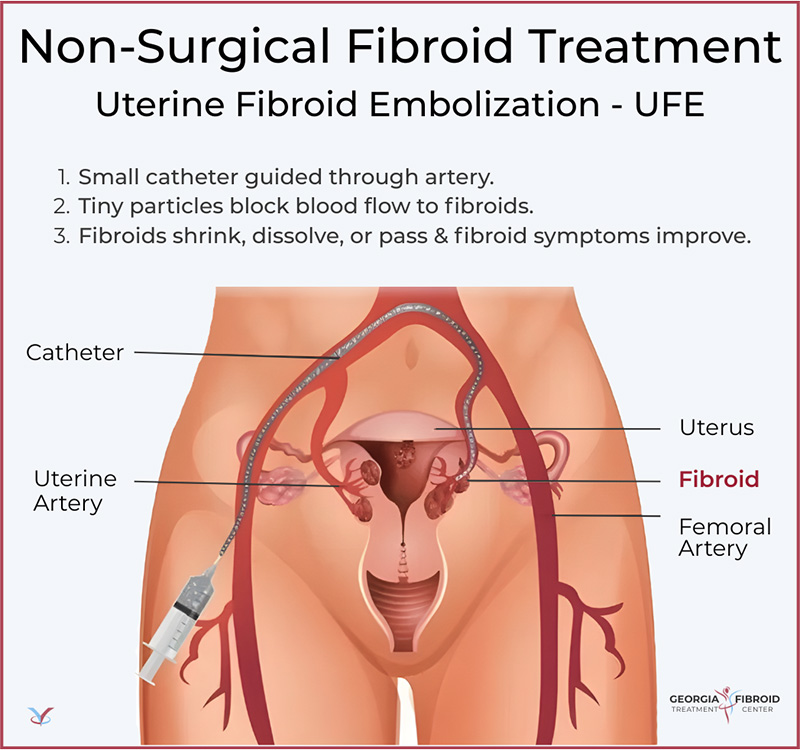
How UFE WorksIf you are experiencing symptoms of uterine fibroids and searching for fibroid treatment in Atlanta, there are effective options that do not require surgery. At Georgia Fibroid Treatment Center, we specialize in Uterine Fibroid Embolization (UFE) — a minimally invasive procedure that treats fibroids by blocking their blood supply so they shrink over time. Many women choose UFE because it allows them to avoid hysterectomy, recover faster, and return to their normal lives with relief from heavy bleeding, pelvic pressure, and other fibroid symptoms.

Women from Atlanta, Sandy Springs, Marietta, Decatur, and surrounding communities visit our center for this advanced non-surgical fibroid treatment.

2025 Best of Georgia Regional Winner

The Georgia Fibroid Treatment Center has been named a Best of Georgia Regional Winner in the Specialty Healthcare Providers category by the Georgia Business Journal. This recognition reflects the trust of our patients and our commitment to delivering specialized fibroid care.
Best of Georgia Winner

Uterine Fibroids What are Fibroids? Understanding Fibroid Symptoms

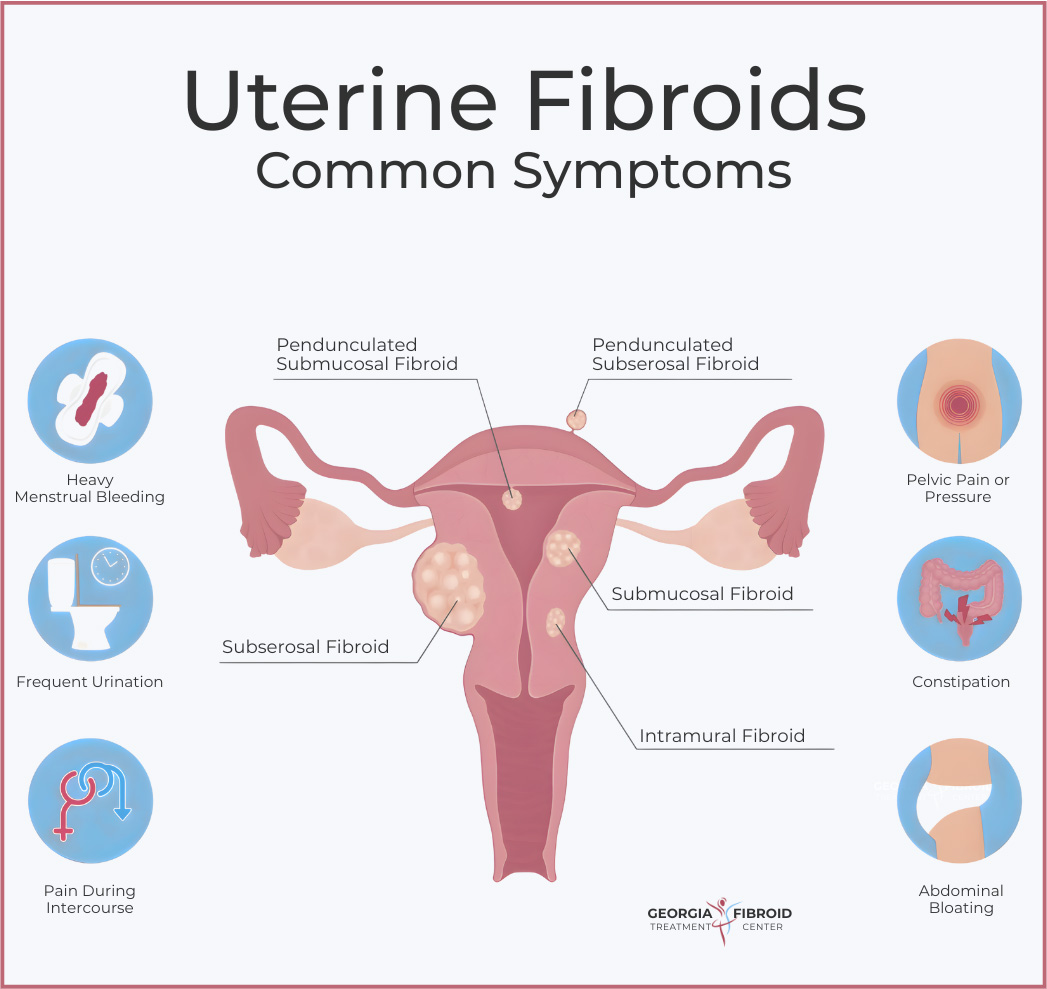
Uterine fibroids are one of the most common health conditions affecting women and a leading reason many seek treatment for heavy bleeding and pelvic pain. Fibroids are noncancerous growths that develop in or on the uterus and can cause a variety of symptoms, including heavy or prolonged periods, pelvic pressure, frequent urination, constipation, pain during intercourse, infertility, and chronic pelvic discomfort. For many women, fibroids can interfere with work, daily activities, and overall quality of life.

Fibroids can vary greatly in size — from smaller than a fingernail to as large as a cantaloupe — and many women develop multiple fibroids at the same time. While some women experience no symptoms, others struggle with severe bleeding, fatigue, anemia, or pelvic pain that leads them to seek medical care.

Also known as leiomyomas or myomas, uterine fibroids are the most common tumors of the female reproductive system and affect up to 80% of women during their lifetime.

Are You A Candidate For Uterine Fibroid Embolization?

Uterine Fibroid Embolization FAQ

What is uterine fibroid embolization (UFE) and how does it work to treat dysfunctional uterine bleeding?

Uterine fibroid embolization (UFE) is a minimally invasive procedure used to treat symptomatic uterine fibroids by blocking the blood vessels that supply them, causing them to shrink and reducing symptoms like heavy menstrual bleeding.

How effective is UFE in treating dysfunctional uterine bleeding caused by uterine fibroids?

UFE has shown to be highly effective in treating dysfunctional uterine bleeding caused by uterine fibroids, with many patients experiencing significant improvement in symptoms.

What are the potential risks and complications associated with UFE?

While UFE is generally safe, potential risks and complications include infection, damage to surrounding tissues, and the risk of premature menopause in rare cases.

How does UFE compare to other treatment options for dysfunctional uterine bleeding, such as hysterectomy or myomectomy?

UFE is less invasive than hysterectomy and myomectomy, preserving the uterus and offering a quicker recovery time with fewer complications.

Will UFE affect my fertility or ability to become pregnant in the future?

While UFE does not affect fertility as drastically as hysterectomy, it’s important to discuss your fertility goals with your interventional radiologist, as some studies suggest a slight decrease in fertility post-UFE.

What is the recovery process like after undergoing UFE for dysfunctional uterine bleeding?

Recovery typically involves a few days of discomfort and possible mild cramping, with most patients returning to normal activities within a week.

Are there any lifestyle changes or restrictions I need to follow before or after undergoing UFE for dysfunctional uterine bleeding?

Your interventional radiologist may recommend avoiding heavy lifting and strenuous activities for a short period after the procedure, but otherwise, there are typically no significant lifestyle changes required.

How long do the results of UFE typically last in terms of reducing or eliminating dysfunctional uterine bleeding symptoms?

Many patients experience long-term relief from symptoms, but the longevity of results can vary. Some may require additional treatments over time.

Can UFE be used to treat all types and sizes of uterine fibroids that may be causing dysfunctional uterine bleeding?

UFE can effectively treat most types and sizes of uterine fibroids, but your interventional radiologist will assess your specific situation to determine if you’re a suitable candidate.

How soon after UFE can I expect to see an improvement in symptoms related to dysfunctional uterine bleeding?

While some women experience immediate relief, it may take several weeks to months for symptoms to fully resolve as the fibroids shrink.

Uterine Fibroids FAQ

What are uterine fibroids, and what causes them?

Uterine fibroids are non-cancerous growths that develop in the uterus. The exact cause is not fully understood, but factors such as hormonal imbalances and genetic predisposition may contribute to their formation.

What are the symptoms of uterine fibroids?

Symptoms can vary widely and may include heavy menstrual bleeding, pelvic pain or pressure, frequent urination, difficulty emptying the bladder, constipation, backache, and in some cases, infertility.

How are uterine fibroids diagnosed?

Uterine fibroids are typically diagnosed through a combination of pelvic exams, imaging tests such as ultrasound or MRI, and in some cases, additional procedures like hysteroscopy or biopsy.

Are uterine fibroids cancerous?

Uterine fibroids are almost always non-cancerous (benign). However, it’s essential to have them evaluated by a healthcare professional to rule out other potential conditions.

What treatment options are available for uterine fibroids?

Treatment options for uterine fibroids may include medication to manage symptoms, minimally invasive procedures such as uterine fibroid embolization (UFE) or myomectomy, and in severe cases, hysterectomy (removal of the uterus).

How do I know which treatment option is best for me?

The best treatment option depends on factors such as the size and location of the fibroids, severity of symptoms, desire for future fertility, and overall health. Discussing these factors with a healthcare provider can help determine the most suitable approach.

Will I need surgery to remove my uterine fibroids?

Surgery may be recommended depending on the size, location, and symptoms associated with the fibroids. However, there are also non-surgical treatment options available, so it’s essential to explore all possibilities with your healthcare provider.

Can uterine fibroids affect my fertility?

Depending on their size and location, uterine fibroids may affect fertility by interfering with implantation or causing complications during pregnancy. However, many women with fibroids can still conceive and carry a pregnancy to term with appropriate management.

Are there any lifestyle changes or home remedies that can help manage uterine fibroid symptoms?

While lifestyle changes and home remedies may not directly shrink fibroids, they can help alleviate symptoms. These may include maintaining a healthy diet, managing stress, exercising regularly, and using over-the-counter pain relievers for discomfort.

Are uterine fibroids preventable?

Since the exact cause of uterine fibroids is not fully understood, it’s challenging to prevent them entirely. However, maintaining a healthy lifestyle, managing weight, and addressing hormonal imbalances may help reduce the risk of developing fibroids.

Dr. Kevin Carson

Dr. Kevin Carson

Georgia Fibroid Treatment Center in Atlanta is led by its founder Dr. Kevin Carson, MD, CAQ, an interventional vascular specialist who has been performing Uterine Fibroid Embolization (UFE) since 1997. With more than 25 years of experience treating vascular conditions, Dr. Carson is highly experienced in helping women find lasting fibroid relief without hysterectomy or major surgery.

Patients from across Atlanta and the Southeast have access to advanced, minimally invasive fibroid treatments designed to reduce symptoms such as heavy bleeding, pelvic pressure, and pain — helping women return to their normal lives with faster recovery and long-lasting results.

Other Women’s Health Conditions We Treat

Pelvic Congestion Syndrome (PCS)

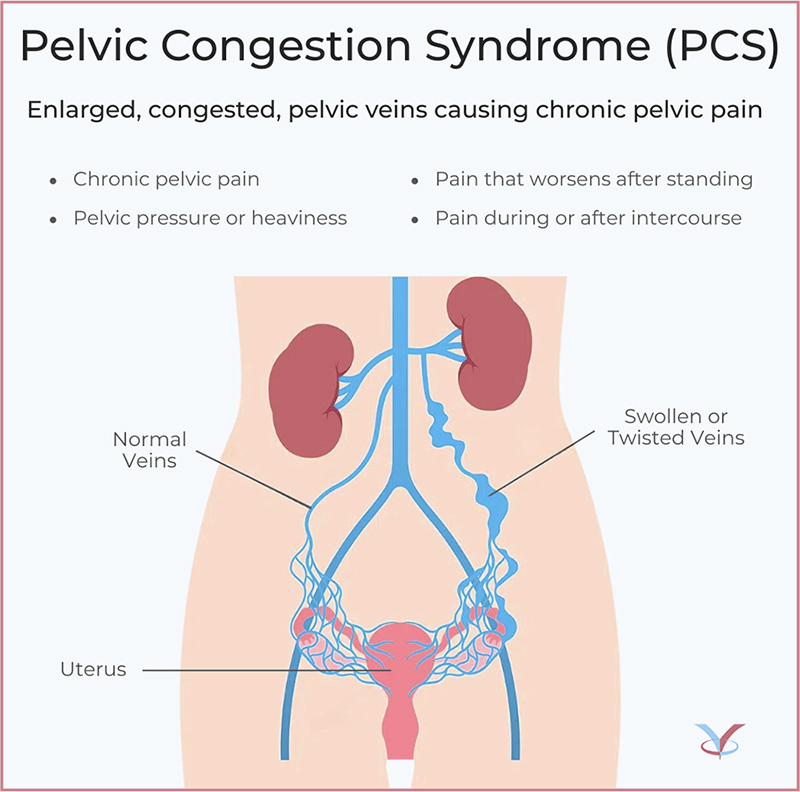
Pelvic Congestion SyndromeSome women who experience chronic pelvic pain, pelvic pressure, or discomfort that worsens throughout the day may actually be suffering from Pelvic Congestion Syndrome (PCS) rather than fibroids. PCS occurs when veins in the pelvis become enlarged and congested, similar to varicose veins, leading to ongoing pelvic pain and pressure. Studies indicate that 30% of women with chronic pelvic pain have PCS as the sole cause, with an additional 15% having it in combination with other issues. Symptoms of Pelvic Congestion Syndrome may include:
  • Chronic pelvic pain lasting more than six months
  • Pelvic pressure or heaviness
  • Pain that worsens after standing for long periods
  • Pain during or after intercourse
  • Visible varicose veins in the pelvic or upper thigh area
Because these symptoms can overlap with other conditions, PCS is often underdiagnosed or mistaken for other pelvic disorders.

How Pelvic Congestion Embolization Works

Pelvic Congestion Syndrome can often be treated with a minimally invasive procedure called pelvic vein embolization. During this treatment, a small catheter is guided through a vein using advanced imaging technology. Tiny coils or medical agents are then used to close off the abnormal veins that are causing congestion.

Once the problematic veins are sealed, blood is naturally redirected to healthy veins, helping reduce pressure and relieve pelvic pain. The procedure is performed through a tiny puncture in the skin and does not require major surgery or a long recovery period.

Who May Be a Candidate for Pelvic Congestion Embolization?

You may be a candidate for treatment if you experience:
  • Chronic pelvic pain that has lasted longer than six months
  • Pelvic pain that worsens when standing or at the end of the day
  • Pain during or after intercourse
  • Pelvic pressure that does not improve with other treatments
  • Symptoms that have not been explained by other gynecologic conditions
A consultation and imaging evaluation can help determine whether Pelvic Congestion Syndrome may be contributing to your symptoms.

Testimonials

Learn More

Uterine Fibroid Embolization Explained

Discover how uterine fibroid embolization (UFE) works — a non-surgical, minimally invasive treatment that helps women find lasting relief from fibroid symptoms.

UFE Options for Women

Heavy bleeding? Pelvic pain? Always tired? These may be symptoms of uterine fibroids. Before considering surgery, learn about minimally invasive options like Uterine Fibroid Embolization (UFE).

We Partner with Your OB-GYN for Fibroid Care

Choosing fibroid care shouldn’t mean choosing between specialists. At Georgia Vascular Institute (GVI) and Georgia Fibroid Treatment Center, our team works in partnership with your OB-GYN to support a coordinated, patient-first care plan.

Uterine Fibroid Care with Dr. Kevin Carson

While most fibroids are small and do not produce symptoms, about 20-40% of women over 35 have sizable fibroids. For African-American women, that number increases to about 60%.

Scroll to Top