
Dr. Kevin Carson
Dr. Kevin Carson
Meet Our Doctor

Kevin L. Carson MD, CAQ

Dr. Kevin Carson is a board-certified interventional radiologist specializing in minimally invasive embolization procedures. He performs Hemorrhoid Artery Embolization (HAE) for patients with internal hemorrhoids (Grade 1–3), offering a non-surgical solution for rectal bleeding and discomfort. Using advanced image-guided technology, he treats the source of the problem without traditional surgery. Patients value his thoughtful, patient-first approach and clear communication.

Relief from Internal Hemorrhoids — Without Surgery

Hemorrhoid Artery Embolization (HAE) treats the source of internal hemorrhoids by reducing the blood supply that causes swelling and bleeding from internal hemorrhoids (Grade 1–3).

Hemorrhoids Treatment

FREQUENTLY ASKED QUESTIONS (FAQs)

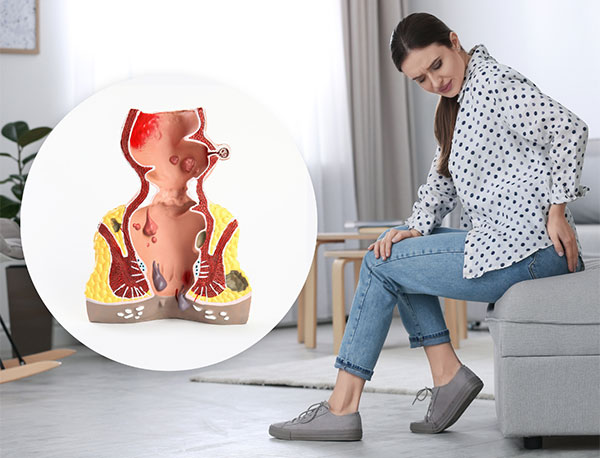
Hemorrhoids are swollen blood vessels located in the
rectum or anus. They can cause discomfort, itching,
and pain.

Hemorrhoids are common and occur in approx. 50% of people during their life with a peak incidence at the age of
45 - 65 years.1
They can be caused through an increase in pressure in the lower rectum by the following reasons:
straining, sitting for long periods, spinal cord injury, chronic constipation or diarrhea, anal intercourse, family history of
hemorrhoids, excessive exercise.

Eating high fiber food, drinking enough fluid and exercise help preventing the occurrence of hemorrhoids. Avoid straining
when sitting on the toilet, and in general, long periods of sitting.

Consult a healthcare professional for accurate hemorrhoid diagnosis; Common symptoms include: Bleeding, Swelling, Discomfort, Ltching

The embolization treatment is the best option for you if you suffer from internal hemorrhoids of grade 2 or 3 and treatment
with hygiene and dietary measures, medication or non-surgical minimally invasive methods was not successful. Also,
if you did not benefit from a surgical treatment, this technique can be the right option for you.7
Prior to treatment a
CT Angiography will be performed to identify if this procedure is suitable for your vascular anatomy.

You should not undergo this treatment in case you have a grade 4 internal hemorrhoid, acute hemorrhoidal complications,
a history of colorectal surgery or chronic anal fissures. Allergy to the contrast medium is also a reason to not undergo this
procedure.

WHAT ARE DIFFERENT TYPES OF HEMORRHOIDS?

Hemorrhoids are cushions of fibrovascular tissue in the anus helping to seal the anus and maintain anal continence. They can be easily irritated, become enlarged and form into swellings, often caused by straining and constipation. The hemorrhoidal disease describes the swollen or inflamed state of these vascular structures inside or around the anal canal. It is the most frequent anorectal disease with 5% – 40% occurrence in the population1

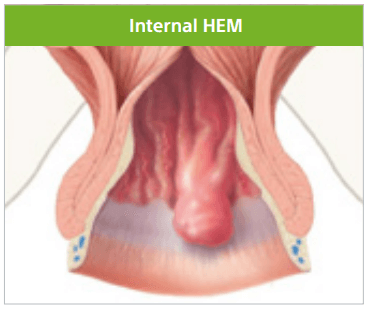
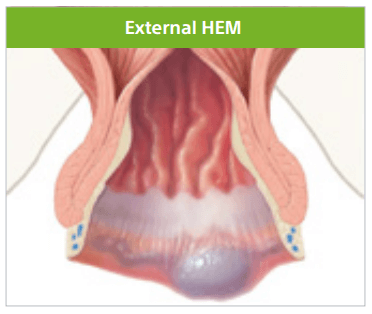
Hemorrhoids can be located internal at the upper part of the anal canal in the rectum or external under the skin around the anus.

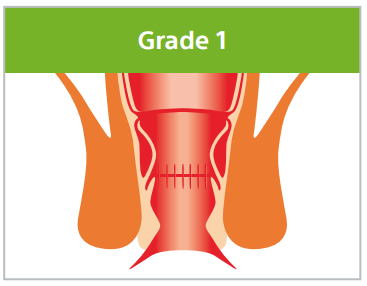
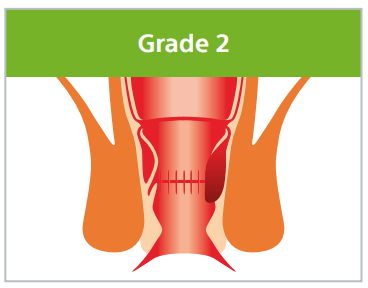
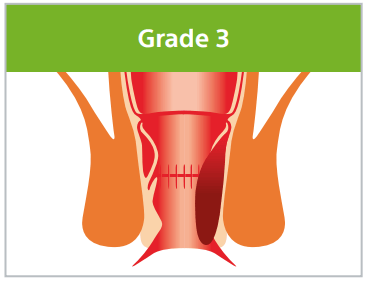
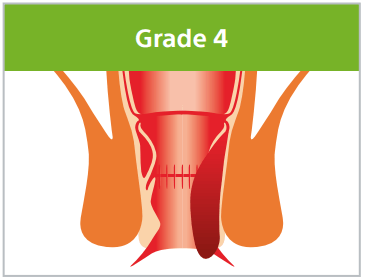
Internal Hemorrhoids are more frequent than external Hemorrhoids and can enlarge and slip out (prolapse) through the anal opening. They are graded by their size and severity from grade one to four.

Small swellings on the inside lining of the anal canal, no prolapse is present.

Larger swellings that may prolapse when pushing but go back (reduce) spontaneously.

Prolapse outside the anus and must be pushed back (reduced) manually

Permanently hang outside the anus and cannot be reduced manually, cause pain and bleeding.

SUPERIOR RECTAL ARTERY EMBOLISATION: PROCEDURAL DETAILS

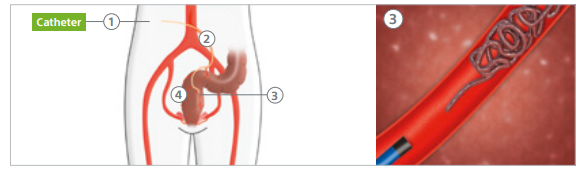
This minimally invasive procedure is less aggressive than surgical treatment. An Interventional Radiologist performs the procedure. The embolisation technique is applied under local aneasthesia in patients with internal hemorrhoids of grade two or three. 2-7 Internal hemorrhoids are composed of a dense arteriovenous network called Corpus Cavernosum Recti (CCR). The embolisation of the hemorrhoidal artery aims to reduce the blood flow in the CCR, thus reducing the venous pressure and the symptoms.

  1. A small opening measuring 1.5 mm in diameter is made in the groin area through which a thin catheter is
    inserted into the femoral artery.
  2. The catheter is guided through the superior rectal artery tree to the terminal branches while the
    Interventional Radiologist watches the progress of the procedure using a a moving x-ray (fluoroscope).
  3. Small coils are placed into the terminal branches of the arteries to seal the vessels.5,6
  4. It may be necessary to repeat the embolisation for hemorrhoids on the opposite side, through the same
    opening and using the same catheter and microcatheter combination.

Hemorrhoidal artery coil embolisation is a painless technique. The procedure time is approx. 50 min. After the procedure, patients can return home on the same day.2

With all medical procedures there are risks associated with the use of a device. Be sure to talk with your doctor so that you thoroughly understand all of the risks and benefits associated with the treatment options.

Advantages of the embolisation technique:

  • Leaves hemorrhoidal tissue in place
  • No general anaesthesia needed
  • Preserves anal continence
  • Does not involve the creation of rectal wounds
  • Good short-term results

Hemorrhoid Artery Embolization Procedure Benefits

Minimally Invasive:

No surgical incisions, minimal discomfort, and fast recovery time

Effective Results:

Reduction in hemorrhoid size, relief from symptoms, and improved quality of life.

Outpatient Procedure:

Conveniently performed in our clinic, avoiding the need for hospital stays.

Testimonial

Are you a Candidate for Hemorrhoid Artery Embolization (HAE)?

The following questions ask about your feelings and experiences regarding the impact of hemorrhoid bleeding symptoms on your life. Please consider each question as it relates to your experiences with hemorrhoid bleeding during the previous 3 months. There are no right or wrong answers. Please be sure to answer every question by checking the most appropriate box. If the question does not apply to you, please check “none of the time” as your option.
During the previous 3 months, how often have your symptoms related to hemorrhoid bleeding:
Scroll to Top